
Building a successful startup takes more than an innovative idea. It requires strategic planning, financial discipline, operational efficiency and the ability to adapt in a competitive market.
Many founders begin with a clear vision, but turning that vision into a sustainable, profitable business is challenging. Securing funding, identifying market opportunities, building scalable operations and entering new markets all involve decisions that shape long-term success.
This is where startup consulting firms become valuable partners. They bring specialised expertise, strategic guidance and practical solutions that help emerging companies launch, manage and grow. Yet not every firm offers the same expertise or level of involvement, so choosing the right partner means understanding your objectives and evaluating whether a firm’s approach fits your long-term vision, particularly in competitive Southeast Asian markets.
What are startup consulting firms?
Startup consulting firms are professional advisory businesses that help entrepreneurs, founders and early-stage companies develop, launch and grow. Unlike general business consultants, they understand the particular challenges of emerging companies: limited resources, uncertain demand, operational constraints and the pressure to grow while staying financially stable.
Depending on the consultancy, services may include:
- Business strategy and planning: business models, objectives and realistic growth strategies.
- Market research and analysis: audiences, competitors, trends and opportunities.
- Financial planning: budgeting, forecasting and investment readiness.
- Operational consulting: processes, resource allocation and efficiency.
- Organisational development: management structures, responsibilities and recruitment.
- Market entry and expansion: assessing new markets and planning expansion.
- Business transformation: removing inefficiencies to strengthen performance.
The goal. Not just a successful launch, but the foundations to operate efficiently, respond to change and grow sustainably.
Why startups need business consulting services
Founders often know their product or industry deeply but have less experience in financial management, organisational development, strategic planning or international expansion. A business consultant for startups provides that expertise without the immediate cost of a large management team.
Access to specialised expertise
Small teams juggle many roles. Consultants bring cross-industry experience, assess challenges objectively and recommend practical solutions.
Better strategic decision-making
The wrong target market, unrealistic financial expectations or an unsuitable business model become harder to fix as a company grows. Consultants help founders weigh scenarios, assess risks and set priorities.
Improved financial management
Even startups with strong demand can struggle if expenses, pricing and forecasts are not managed. Financial consulting supports realistic budgets, performance monitoring and investment decisions.
Stronger operational foundations
A business that runs well with five people may struggle at twenty or fifty. Consultants identify inefficiencies and build systems that can scale.
Reduced business risk
Market research, financial analysis and strategic assessments help founders understand risks before committing significant resources.
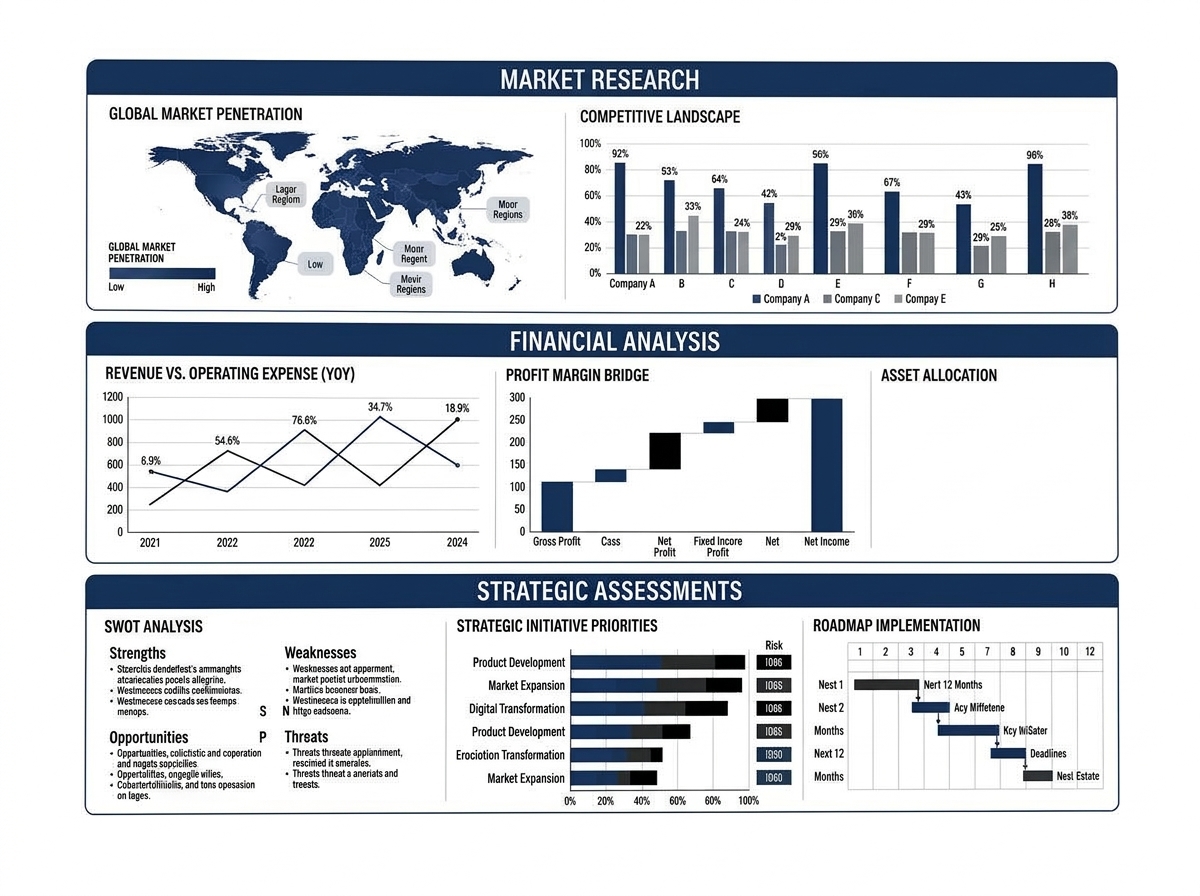
Key services offered by startup consulting firms
Business strategy and development
Consultants help define objectives, evaluate market positioning, identify competitive advantages and build actionable growth plans, including refining the business model, defining short- and long-term goals, identifying target segments and setting measurable performance indicators.
Market research and opportunity assessment
Before launching a product or entering a market, startups need evidence of demand: customer behaviour, competitor activity, industry developments and barriers to entry. For international expansion this matters even more, because customer expectations, regulation, pricing and distribution differ between markets.
Financial planning and investment readiness
Financial projections, funding requirements, operating cost reviews and investor-ready financial information give founders visibility and help them communicate their potential.
Operational and management consulting
Reviewing workflows, resource allocation and reporting structures creates an organisation that can handle growing demand without unnecessary complexity or cost.
Market entry and international expansion
Consultants with regional experience help startups assess market attractiveness, evaluate entry strategies and identify the resources expansion requires, especially across Southeast Asia, where operating environments differ considerably between countries.
Looking for the right startup consultation?
South East Asia Consultancy helps founders build strategies for sustainable growth. Book a confidential, complimentary consultation.
How to choose the right startup consulting firm
1. Identify your business needs first
Are you preparing to launch, refining your model, tackling operational problems or planning expansion? A startup planning international growth needs market research and entry planning; one struggling with inefficiency needs operational consulting.
2. Evaluate industry knowledge and experience
Ask which industries the firm has worked with, whether it understands your target market and business stage, and request relevant examples, case studies or clearly explained methodologies.
3. Assess its strategic approach
A reliable partner takes time to understand your business before recommending solutions, and builds a realistic strategy rather than a generic, overly ambitious plan.
4. Look for practical, measurable solutions
Expect clear deliverables: a business assessment, a documented growth plan, financial projections, market research, operational recommendations, implementation milestones and KPIs.
5. Understand communication and collaboration
Clarify meeting frequency, who manages the engagement and whether consultants will work directly with your leadership team.
6. Consider regional and international expertise
Ask which countries the firm genuinely understands and what market assessments it can provide for your target markets.
7. Evaluate transparency, confidentiality and value
Request a clear explanation of fees, scope, deliverables and timelines, and put confidentiality arrangements in place before sharing sensitive information. The cheapest option is not always the best value.
Startup consulting firms vs an in-house team
| Consideration | Startup consulting firm | In-house team |
|---|---|---|
| Expertise | Specialised external knowledge | Depends on internal recruitment |
| Cost structure | Project-based or advisory fees | Salaries and employment costs |
| Flexibility | Engaged for specific requirements | Ongoing organisational commitment |
| Perspective | Independent external assessment | Deep internal understanding |
| Best suited for | Strategic projects and specialist support | Ongoing operational responsibilities |
Not either/or. For many early-stage companies, external consulting complements a small internal team, with internal capability built gradually as the business grows.
Why sustainable growth should be the priority
Expansion without solid operational and financial foundations can bring falling profitability, inefficient processes, cash flow pressure and management strain. Sustainable growth balances five areas:
- Financial sustainability: realistic budgets, controlled costs and expansion funded appropriately.
- Operational scalability: serving more customers without disproportionate increases in resources.
- Long-term customer relationships: retention and consistent value, not only acquisition.
- Strategic adaptability: regularly reassessing priorities as markets change.
- Responsible business development: resource management, ethical supply chains and compliance.
Choosing a consulting partner in Southeast Asia
Singapore, Malaysia, Thailand, Indonesia, Vietnam and the Philippines each have distinct economies, regulations, consumer behaviour and business cultures, so the region should never be treated as one market.
Understanding local market conditions
A model that works in one country may need adjustment in another; market-specific research tests commercial viability.
Navigating regulatory requirements
Company registration, tax, employment, licensing and data protection differ by country. A consulting partner can identify the issues and coordinate with qualified local specialists.
Building strategic partnerships
Local distributors, suppliers, investors and technology partners can accelerate entry when assessed in a structured way.
Developing a phased regional strategy
Identify aligned markets, evaluate demand and competition, assess regulatory and operational requirements, build forecasts, test the market and review performance before expanding further.
Common mistakes when selecting a startup consultancy
- Choosing on price alone rather than expertise and relevance.
- Ignoring industry experience, which makes recommendations more relevant.
- Accepting unrealistic growth promises from firms that guarantee results without assessing your business.
- Failing to define expectations for scope, responsibilities and timelines.
- Overlooking implementation, leaving strategy as a document.
- Not establishing confidentiality for sensitive information.
- Treating consulting as a one-time fix instead of reviewing strategy as circumstances change.
How to measure the success of a consulting engagement
| Business area | Example performance indicators |
|---|---|
| Financial performance | Revenue growth, operating margin, cash flow |
| Customer development | Acquisition, retention and satisfaction |
| Operational efficiency | Process time, operating costs, productivity |
| Market expansion | Market entry milestones and regional revenue |
| Business development | Strategic partnerships and qualified opportunities |
| Strategic execution | Agreed milestones and business objectives |
Agree the most relevant KPIs before the engagement begins, and remember that restructuring, market expansion and long-term strategy can take several months to show measurable results.
Why South East Asia Consultancy can be your growth partner
South East Asia Consultancy supports startups and growing businesses in approaching growth with clarity, structured planning and a long-term perspective. A strategic consulting relationship should help founders:
- Clarify business objectives and growth priorities.
- Evaluate opportunities and potential challenges.
- Develop structured business and expansion strategies.
- Identify operational and organisational improvements.
- Make informed decisions and build foundations for long-term development.
Whether you are launching a venture, strengthening your model or exploring Southeast Asia, the right startup consultation starts with understanding where your business is today and where you want to take it.
Frequently asked questions
What do startup consulting firms do?
They help entrepreneurs and early-stage businesses develop strategies, improve operations, manage finances, evaluate market opportunities and plan for growth, through services such as business planning, market research, financial forecasting, organisational development and international expansion.
Why should a startup hire a consulting firm?
To access specialised expertise, improve strategic decisions, identify risks and develop practical growth plans, with an independent perspective and without immediately building a large management team.
How do I choose the best startup consulting firm?
Evaluate industry experience, service capabilities, strategic approach, regional knowledge, communication and transparency. Review relevant case studies, understand the proposed deliverables and confirm the firm understands your objectives.
How much do startup consulting firms charge?
Costs depend on scope, complexity, consultant experience and engagement length. Firms may charge fixed project fees, hourly rates or ongoing advisory retainers, so request a clear proposal outlining fees, deliverables and timelines.
When should a startup hire a business consultant?
At business formation, market entry, fundraising preparation, operational development or international expansion, and when growth stagnates, finances tighten or scaling becomes difficult.
What is the difference between a startup consultant and a business consultant?
A startup consultant focuses on early-stage challenges such as business models, market validation, funding readiness and scalability. A business consultant works with companies at any stage on broader strategic, operational, financial and organisational needs.
Can startup consulting firms help with international expansion?
Yes, through market research, competitor analysis, market entry planning, commercial assessments and partnership development.
Why is business consulting important for startups in Southeast Asia?
The region's markets differ in regulation, consumer behaviour, economic conditions and business culture. Consulting helps startups understand these differences, assess opportunities and risks, and plan regional expansion.
How long does a startup consulting engagement last?
A focused assessment may take several weeks; a full growth strategy, operational programme or expansion project may take several months. Some firms also offer ongoing advisory arrangements.
What should I prepare before meeting a startup consulting firm?
A brief overview of your business, products or services, target market, challenges and goals. Existing plans, financial information and research help, but you do not need everything finalised for an initial conversation.
How can I book a consultation with South East Asia Consultancy?
Contact South East Asia Consultancy to arrange a confidential, complimentary consultation to outline your objectives, discuss current challenges and explore how strategic consulting could support sustainable growth.